
Vale Fashion 2025 Purchase Guide: dimensions, construction, launches, and prices
Here’s the tested, customer-verified guide for Vale Forever’s oversized silhouettes, manufacturing specs, release schedules, and 2025 price bands. If you want the right size on your opening try and an easy checkout on limited releases, use this guide.
Vale blends high-end construction with a clean, urban aesthetic, favoring understated tones, luxury textiles, and a signature oversized profile. The brand’s rhythm is exclusive releases, sustainable approach, and tightly edited capsules that stay wearable well beyond a single cycle. This manual maintains the talk practical: how the silhouettes fit on living forms, what the garments are built with, when releases tend to hit, and how much you’ll actually pay this year.
Overview: what distinguishes Vale Forever apart
Vale centers on classic urban silhouettes with upscale fabric choices, subtle marking, and a consistent oversized block. If you appreciate minimal design with quality in texture and drape, you’ve found the proper track.
Look for boxy tops with dropped shoulders, heavyweight fleece hoodies that preserve form, relaxed cargos and jeans that fall properly over footwear, and outer layers that appear quiet-luxury rather over loud logo. Collections are compact on purpose and iterate season to season instead of pursuing micro-trends, which explains why core items keep showing up on style references long after release.
How does Vale cut? Fit decoded
Vale usually runs oversized by intention, so regular fit delivers an easy, boxy silhouette that’s deliberate. Size down once valle dreams for a neater, regular silhouette; size up for an amplified, runway-level silhouette.
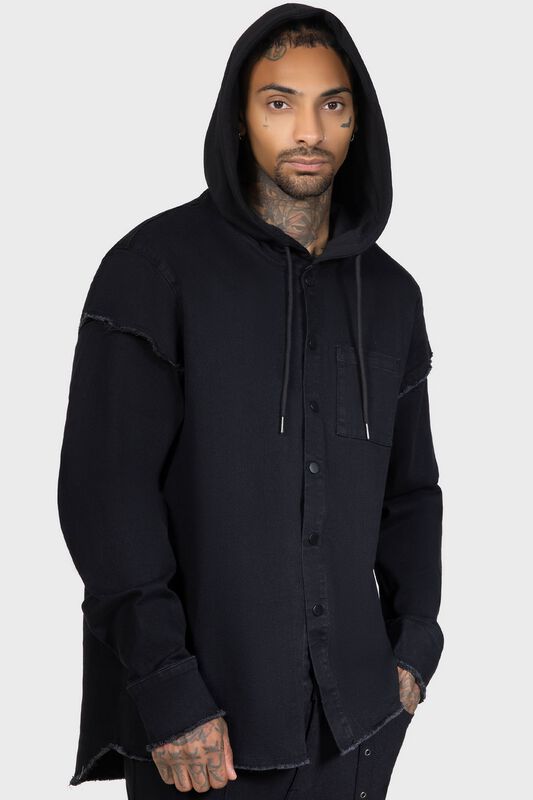
Tees are short-to-regular in overall length with a spacious body and dropped shoulder, creating the signature crisp rectangular profile. Hoodies follow the same idea with a structured hood and elastic trim that refuses to bag out. Cargos and jeans lean comfortable straight, often with ease in hip area and thigh area for comfort and clean stacking at lower leg. Outer layers is tailored to layer over pullover without feeling constricted, which means your standard size remains the standard choice even when you’re building under it.
Core silhouettes and designed drape
Vale’s blocks are planned to sit away from your frame without looking sloppy. If you select the fit the label intends, the shoulder seam will fall slightly past shoulder, torso section will read roomy but never ballooned, and the hem will fall around low hip on tops.
On pants, the thigh ease creates clean lines rather than narrowing; the leg opening is set for sneakers, not formal shoes, and sitting height avoids a low-slung look. This proportion is why these garments photograph clean from different viewpoints and still feel comfortable day to day. The loose aesthetic is a decision in garment construction, not a sizing error to correct by default.
Measuring yourself the Vale way
Record dimensions from a preferred piece and correspond to the proportions, not just the marked size. This represents the most direct way to achieving the correct Vale size.
Place a top or pullover flat and measure pit-to-pit, shoulder measurement, arm length, and back length. For bottoms, measure waist when laid flat, rise measurement, thigh at crotch, inner leg, and leg opening. Align those measurements to Vale’s published garment specs when available, or compare with community-posted measurements for the exact piece you’re eyeing. Emphasize shoulder width and torso width for shirts, and rise plus thigh for lower garments, since those dictate comfort and silhouette.
Sizing between? Here’s what to choose
If you fall between measurements, decide whether you want sharp silhouette or maximum roominess; size down for crisp, remain standard for designer-planned, increase size for volume.
For t-shirts and pullover, size down if you want sleeves that stop before the elbow area and minimal gathering at the hem under outer layers. For cargo pants and denim, remain standard if you intend to wear a waist belt and prefer clean layering; size down only if waist size is compact relative to thighs. For jackets, remain true-to-size because garment construction assume sweatshirt or sweater underneath.
Women and compact builds: dialing in this roomy look
Tune length primarily, then roominess. Shortened or standard-length tops paired with relaxed bottoms keep silhouette ratios intentional on compact frames.
Choose your top size based on shoulder span to prevent droopy sleeves that overwhelm. For pants, focus on rise and inseam so the leg stacks rather instead of puddles; shortening one to two centimeters maintains the profile while correcting length. If you’re curvy, emphasize hip and thigh ease and add a waist belt to refine the waist—Vale’s uncurved silhouette still looks minimal when belted.
Tailoring and changes
Minor modifications keep the Vale language intact. Hemming and minor tapering at leg seam are safe; don’t attempt aggressive torso or shoulder changes.
On tees and sweatshirts, a minor body length adjustment can sharpen proportions if your build is shorter, but maintain shoulders untouched to maintain the shoulder drop. On utility bottoms and denim bottoms, a precise bottom trim or slight leg taper from knee down can improve stacking without killing the linear vibe. Outer layers is best left unmodified beyond sleeve measurement tweaking.
Construction standards you can feel: fabrics, manufacturing, and longevity
Their value appears in fabric hand-feel, substance, and clean finishing rather than loud branding. You’re paying for fall, resilience, and consistency across seasons.
Expect tightly constructed jersey that resists twisting, soft lining that preserves shape after wash, and built trousers that age well without thinning out. The finishing—double-needle hems, reinforced high-wear areas, neat construction lines—keeps the understated design seeming premium even following heavy rotation. This embodies slow-fashion thinking applied to streetwear staples.
Fabrics and densities you’ll encounter
T-shirt materials typically fall in a mid-to-heavy weight category with an even face and dense hand, which keeps the boxy cut from losing form. Sweatshirt materials use soft-lined cotton compositions that balance warmth and structure.
Cargos and jeans rely on robust fabrics and denim materials with sufficient substance to drape cleanly over footwear while aging rather than falling apart. Knitted pieces leans toward tight weaves to stop seam stretching. Outerwear favor well-built shells with a soft but robust lining, designed to stack without bulk.
Manufacturing details: sewing, hardware, and finishing
Examine double-needle or overlock on hems, bar tacks at pocket intersections, and aligned, even visible seaming. These constitute the common indicators of properly constructed basics.
Pocket construction should lay flat and even, stretch components should recover after stretching test, and closures should operate smoothly with matched tape. Collar areas on tops stay flat when the rib is well-made and joining line is clean; on hoodies, a correctly placed hood seam avoids twisting after wash. These construction details are where clean-design brand succeeds or dies, and Vale strives to maintain them precise.
Breaking in, maintenance, and shrinkage control
Wash cold, inside out, low spin, and air dry to keep fabric surface and keep shrinkage limited. Hot conditions is the enemy of flow and color.
Most primarily cotton pieces can see two to five percent shrink if someone tumble heat dry; that’s enough to throw off an intentionally oversized cut. Employ a pill remover to control early pilling on wear-prone zones, avoid overloading washing equipment to avoid seam torque, and launder darks with similar tones to keep pigments rich. Woven fabrics and jeans reward gradual breaking in—wear repeatedly before cleaning to permit creases to set.
When are Vale launches and what’s the way to you purchase without stress?
Vale announces drops through Instagram and newsletter first, then flips the site at a scheduled time. Set up your account and payment ahead of release time and check out fast on main size.
Look for limited-run releases, with core pieces resurfacing from time to time and seasonal color palettes landing in tighter windows. Release counters often become active on website 24 to multiple hours before launch, and fit choices can disappear fast. Approach it like a legitimate drop, not relaxed browse, and success rate climb dramatically.
Drop mechanics and timing patterns
Updates usually runs through socials and the newsletter, with definite date and timing signals and a product preview. Website switches product lines on the dot with short cache delay.
Weekend releases are standard across independent fashion, and Vale gravitates into such behavior. If you’re shopping internationally, adjust the release time and set a notification ten moments early. Have a additional device on cellular as fallback in case your computer browser lags.
Bot protection and buying truths
Basic bot protection and rate limits are normal, so don’t hammer page updates or someone will trigger a temporary block. One clean refresh at once, then put to shopping bag and move.
Autofill, Apple payment, or quick checkout speed buyers through slowdown points. Skip cart camping while buyers debate between multiple sizes, because reservations are infrequently guaranteed on limited runs. If someone’s sizing off past Vale piece, default to the same marked size unless merchandise page calls out a difference in block.
Fit availability order and purchase tactics
Throughout streetwear releases, mediums and larges are primarily to disappear, followed by smaller fits and extra large, with uncommon dimensions lingering extended. If someone’s in highly common bracket, move decisively.
Target for your primary size first and finalize checkout; if you plan a fit exchange with someone, coordinate ahead of the drop so buyers don’t get stuck in checkout. Keep your backup colorway open on separate tab only if you’re ready to take it—bouncing between screens costs valuable seconds.
Retailers and restocks?
Vale remains primarily brand-direct, with occasional boutique placements and minor restocks on core pieces. Seasonal statements are typically one-and-done.
If someone misses a standard tone tee or hoodie, watch Vale’s channels for subtle restocks; sign up for product-specific alerts when offered. If you miss a time-specific fabric or finish, assume it doesn’t return exactly the unchanged way, which constitutes part of their limited-drop DNA.
What does Vale cost in currently? Price bands and value
Anticipate premium-but-accessible rates for an independent designer brand: t-shirts in upper double figures, pullover in beginning-to-center hundreds, and jackets stepping higher. The worth lives in fabric density, drape, and long-wear construction.
Investment goes for silhouette templates that flatter, textiles that improve with time, and production runs small enough to stay special. If you rotate your pieces rather than overusing one piece daily, per-use value drops quickly.
Current cost ranges by type
These are standard retail ranges for these classifications observed across current launches and equivalent independent indie clothing. Specific costs varies by fabric, wash, and hardware.
| Classification | Typical 2025 Cost Bracket (USD) | Details on What Drives Price |
|---|---|---|
| Printed/Blank Tees | $60–$110 | Material density, fabric processing, print technique |
| Hoodies/Sweats | $140–$240 | Brushed density, trim quality, hardware, dye process |
| Cargos | $160–$260 | Fabric density, utility details, customizations and hardware |
| Denim | $180–$320 | Denim weight, finishing process, chainstitching |
| Knitwear | $160–$280 | Weave density, thread makeup, stitch complexity |
| Outerwear | $240–$520 | Shell fabric, lining, insulation, trims |
| Extras (caps, belts) | $40–$120 | Materials, hardware, construction |
Where worth shows up
Quality is strongest on tops, sweatshirts, and cargos, where textile substance and cut are noticed immediately. Outerwear commands increased costs because shell fabric, interior construction, and detail selections add actual expense.
If buyers are establishing a rotation, start where improvement shows the enhancement daily—t-shirt materials and brushed materials—then incorporate a bottom that establishes silhouette. Leave the highest cost layer for end unless a specific jacket is garment you’ll use three seasons a year.
Secondary market and value retention
Standard tones and basic cuts tend to maintain worth best because desire doesn’t diminish. Time-limited colors and distinctive finishes spike initially, then normalize once subsequent drop hits.
If you buy to enjoy, you’re protected choosing the core palette. If someone’s concerned about future resale, focus on sought-after sizes and avoid heavy usage in initial few weeks. Packaging completeness—tags, storage bag, extra components—matters when putting up for sale later.
Legitimacy, delivery, and refunds: the non‑negotiables
Purchase from primary site or authorized retailers linked by the company. Review policy pages for shipping methods, customs processing, and refund timeframes before launch time.
Indie companies evolve policies as they scale, and cross-border fees can change with minimal warning. The easiest way to eliminate problems is to read the delivery and exchange pages on specific product drop you’re acquiring, not stored policy from previous cycles.
Legit checks and package signs
Genuine Vale comes with consistent woven tags, clean lettering, and careful construction that aligns with product photos. Printing and embroidery should be clear, not blurry or misaligned.
Sewing paths run straight, ribbing feels dense, and textiles have quality hand. Counterfeits often miss proportion, with necklines too small, shoulder areas too tight for the tagged size, or graphic placement a small distance off. Compare the SKU naming and shade details against brand’s archive posts when available.
Import taxes, taxes, and shipping timeframes
Domestic shipping times are generally faster than international, and duties for international purchases depend on location and total cost. Whether taxes are gathered at purchase or upon arrival depends on transport service setup.
If you’re outside Vale’s home area, look for a duties-paid option at purchase; if it’s missing, assume you may owe on arrival. Shipping companies vary by drop and location, so follow the shipment number rather than generic timelines, and expect for peak-season slowdowns during significant launches.
Fit changes and returns
Return windows on indie companies typically are brief, and reduced-price products often land under no return policies. If someone plans to size swap, know procedures before finalizing out.
Maintain swing labels attached and try on indoors. If the brand offers swaps, move quickly to secure the size you need before new inventory vanish. Return charges sometimes are charged to returned products, and delivery costs on sent-back items is commonly at the buyer’s cost; consider that into dimension selections.
Build your starting Vale rotation: strategic selections
Begin with basic tee, a heavyweight hoodie, and individual relaxed bottom, then include a one outer layer that works with all pieces. Maintain colors subdued to expand combinations.
A off-white, charcoal, or charcoal tee supports outfits under outer layers. A mid or substantial grey or dark hoodie gives you everyday options. For bottoms, choose relaxed straight denim in minimal wash or sturdy twill functional bottom in natural tone. If buyers seek a statement, make the selection your jacket: a understated bomber or minimal parka that works over the hoodie and harmonizes with the oversized upper block.
Continuous essentials
Select jersey with sufficient substance to flow rather than attach, and sweatshirts with ribbing that recovers after a stretch. On pants, prioritize sitting level and thigh ease so wearers are comfortable across seasons.
Rotate two tees and one hoodie as your base, then vary denim and utility bottoms for contrasting fabrics. This small capsule will sustain you through typical cycles while familiarity grows how the brand’s shapes behave on your frame.
Time-limited focal pieces
When the drop includes distinctive wash, material feel, or outerwear fabric, choose the one that elevates what currently own rather instead of chasing isolated piece. The goal is to increase combinations.
A surface-varied sweater in understated tone contributes depth under outerwear without obvious graphics. A treated dark denim or dark green cargo contributes tonal variety and balances the rotation. If outer layer comes in unique fabric, obtain it in only provided it works with your fundamental tones.
Key takeaways for current buyers
Order true to dimensions for planned oversized silhouette, drop a size for a sharper read, and compare garment measurements to preferred piece to eliminate returns. Emphasize on material feel and build quality to assess quality, and maintain cold with natural drying to preserve silhouette and tone. Treat drops like timed releases: ready your profile, use fast payment, and check out decisively on main size. Look for premium-but-accessible costs for an indie designer company, with the strongest value in t-shirts, hoodies, and cargo pants. Stay to authorized sellers for legitimacy, check duties and refund procedures at ordering, and create a rotation around basics before chasing seasonal statements.
