
The Essentials of The Row Sale Season for Shoppers Before Making a Purchase
The Row label hardly ever marks things down, and when it does, the drop unfolds discreetly. There is no blinking ad banner, no countdown timer, no email blast proclaiming “50% off.” The house’s approach to price reductions mirrors its handling of design: subtle, considered, and easy to miss if you are not watching closely. For anyone tracking a row sale in 2026, the first thing to understand is that patience and timing matter more than luck.
Mary-Kate and Ashley Olsen founded The Row, and the brand built its reputation around pared-back cuts, restrained tones, and leather pieces precision-built rather than merely stitched together. That reputation is exactly why sale windows move fast. Stock is limited by design — The Row produces in smaller runs than most luxury houses — so once a style is discounted, it may disappear within days, occasionally within hours, especially in popular sizes and neutral colorways like black, ecru, and tan.
Exactly When the Row collection In Fact Enters Sale Season
Where mass-market high-end names roll out seasonal discount events four or five times a year, The Row by comparison confines itself to two periods: a mid-year price adjustment in June-July, plus a wider end-of-season markdown in December-January. These the row 90s bag aren’t guaranteed dates — they move a little year to year based on stock levels — though customers who have followed the brand over multiple seasons say this pattern holding with reasonable consistency into 2026.
Retailers carrying The Row, including multi-brand luxury sites, sometimes run their own promotional cycles independent of the brand’s direct site. This means a row sale on a third-party retailer might appear before or after The Row’s own markdown period. Checking multiple authorized stockists rather than relying on a single source increases the odds of catching a discount on the exact piece you want.
Full-price loyalists also note that select products seldom go on sale. Top-demand bags in the lineup — particularly items belonging to the Margaux line — typically remain unmarked even when official promotions are running, because need for them constantly outpaces the scarce availability. Jackets and blazers are discounted more consistently than its most emblematic bags.
Row Bags Breakdown: Which Ones Are Truly Worth the Investment
Any row bags overview has to start with construction. The Row’s leather goods use vegetable-tanned and semi-aniline leathers sourced primarily from Italian tanneries, finished with hand-applied edge paint rather than machine-stitched binding. That detail alone explains part of the price point — hand-finishing takes longer and costs more than automated production, and it shows in how the edges age over years of use rather than fraying within months.
Across top row bags, three names come up repeatedly in the secondhand market and fashion roundups: the Margaux, the Sofia, and the Everyday Tote. Each serves a different purpose, and understanding those differences matters more than chasing whichever style is trending on social media that week.
- Offered in several sizes (commonly referenced as Margaux 12, 15, and 17), the Margaux bag is structured enough to hold its shape on a shelf — a feature that renders it popular among those who want a bag looking intentional even half-empty.
- The Row’s tote bag offerings, including the Sideby and N/S Park styles, lean toward a softer, slouchier feel, designed for everyday use rather than showcasing, with less internal structure and softer shapes.
- Because they carry lower production costs and faster sell-through, more compact crossbody and clutch styles from the brand rotate faster and often end up in discount cycles.
Secondary-market worth weighs heavily in why shoppers view The Row as distinct from other luxury handbag brands. Because production runs are small and demand remains steady, well-maintained pieces — especially the Margaux — often retain 60-75% of retail value on the secondary market, according to consignment platforms that track luxury handbag pricing. That retention rate is closer to what you’d expect from Hermès or Chanel than from most contemporary luxury labels.
The Best Places to Buy The Row Margaux Bag At the Right Price
The recurring question of the best place to find The Row Margaux bag surfaces again and again, and the honest answer is: it comes down to your priorities. The Row’s own site and flagship boutiques offer the most reliable authentication and the best chance at pre-order access for new colorways, but they almost never discount the Margaux specifically.
The kind of authorized multi-brand retailers that carry a curated selection of The Row’s collection together with other contemporary and luxury labels sometimes receive limited Margaux stock ahead of a broader release. These retailers occasionally include the Margaux in their own promotional events even when The Row’s direct channels are holding firm on price, which is where patient shoppers sometimes find genuine savings of 10-20%.
Consignment and resale platforms specializing in authenticated luxury goods are the third route, and they’re worth considering carefully. Particularly if it’s a size or color that went out of style, a well-cared-for Margaux in a classic colorway can turn up on resale marketplaces for 20-30% below original retail. The tradeoff is longer wait times to find the right piece and the need to verify authentication credentials before purchasing.
Buyers should be wary of unusually steep discounts from unfamiliar sellers. A Margaux listed at 50% off retail from a site with no verifiable authentication process is a red flag, not a bargain. The Row’s limited production numbers make counterfeits a real risk in this price bracket, and the brand does not offer a public authentication service, which puts more responsibility on the buyer to vet the seller.
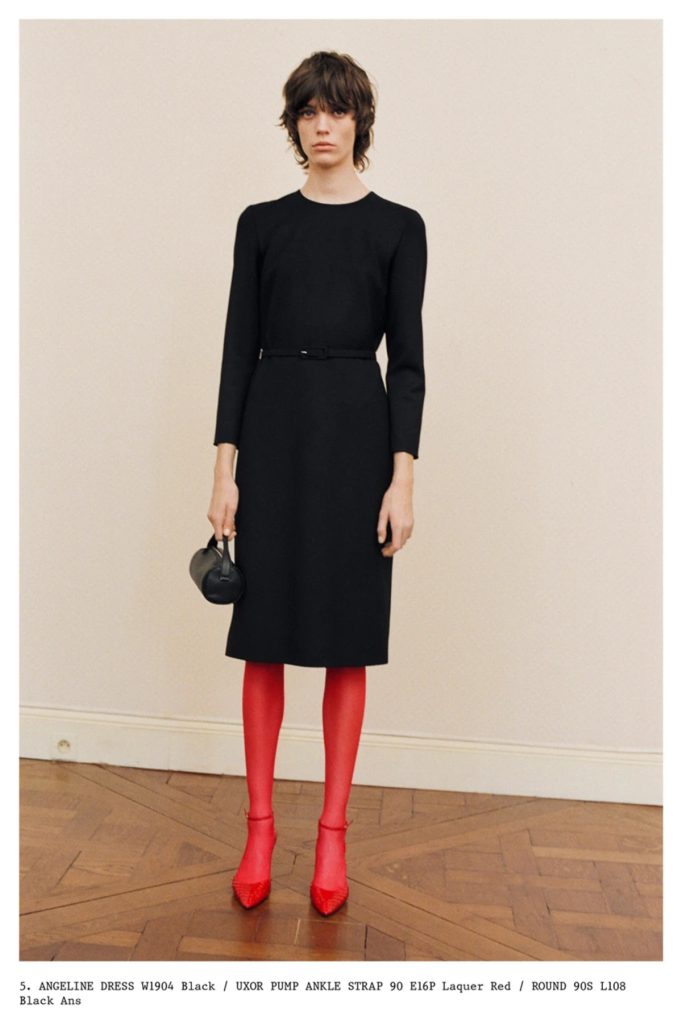
Breaking Down The Row’s Own Signature Bag Styles, Compared
Because a good deal of the dialogue around row handbags centers on comparing options, what clarifies each bag’s purpose becomes clearer through a head-to-head contrast.
| Style of Bag | Ideal Use | Build | Markdown Frequency |
|---|---|---|---|
| Margaux | A piece worth investing in, a shape-holding go-to bag | Structured and keeps its shape with nothing inside | Seldom seen, even when discounts are running |
| The Sideby Tote | An office-ready bag, built to carry laptops and paperwork | Relaxed, loses shape unless heavily loaded | Shows up on sale from time to time, around the season’s midpoint |
| Sofia | Evening and a more compact daytime option | Semi-structured | Now and then |
| N/S Park Tote | Trips and oversized daily essentials | Pliable, expands with load | Middling, surfaces more regularly in sale rounds |
Shoppers searching “row sale” will typically find every handbag silhouette bundled indiscriminately, and that’s why this sort of check matters: in reality, the odds of a markdown differs widely by shape.
Big-format totes and carryalls are reduced in price more often simply because they get manufactured in somewhat greater quantities than the Margaux style.
Smart Buying Moves for 2026’s Promotions Timeline
For shoppers serious about catching The Row at a reduced price this year, a few practical habits make a measurable difference. Signing up for notifications at multiple authorized retailers rather than just the brand’s own site widens the net considerably, since stock allocation differs between channels.
Following specific SKUs as opposed to browsing widely is helpful too. When a particular Margaux size-color pairing is the one you want, checking that specific page every few days during known sale windows beats paging through the overall markdowns feed, since there inventory changes on an hourly basis when demand is heaviest.
Being flexible about sizing and hue truly expands the options. Because rarer, less mainstream hues move more slowly at first, they’re more likely to land in a markdown — unlike neutral tones like black and tan, which sell out fastest even at full price. Customers open to a less predictable shade often discover improved access and deeper price cuts.
Last but not least, condition standards count for just as much equally when buying resale as when purchasing brand-new items. Inspecting the corners, verifying the edge paint’s condition, and looking over the hardware for tarnish ahead of time protects against spending close to full price on a bag that needs to be restored. The Row’s leather ages well, but only if it started in good condition.
Right now, the overarching takeaway is simple: its discipline around discounting is intentional, and anyone approaching the row fashion landscape will make smarter, faster decisions when the window opens if they treat a row sale as a uncommon event instead of a routine annual ritual.
